

Maggie Cooper
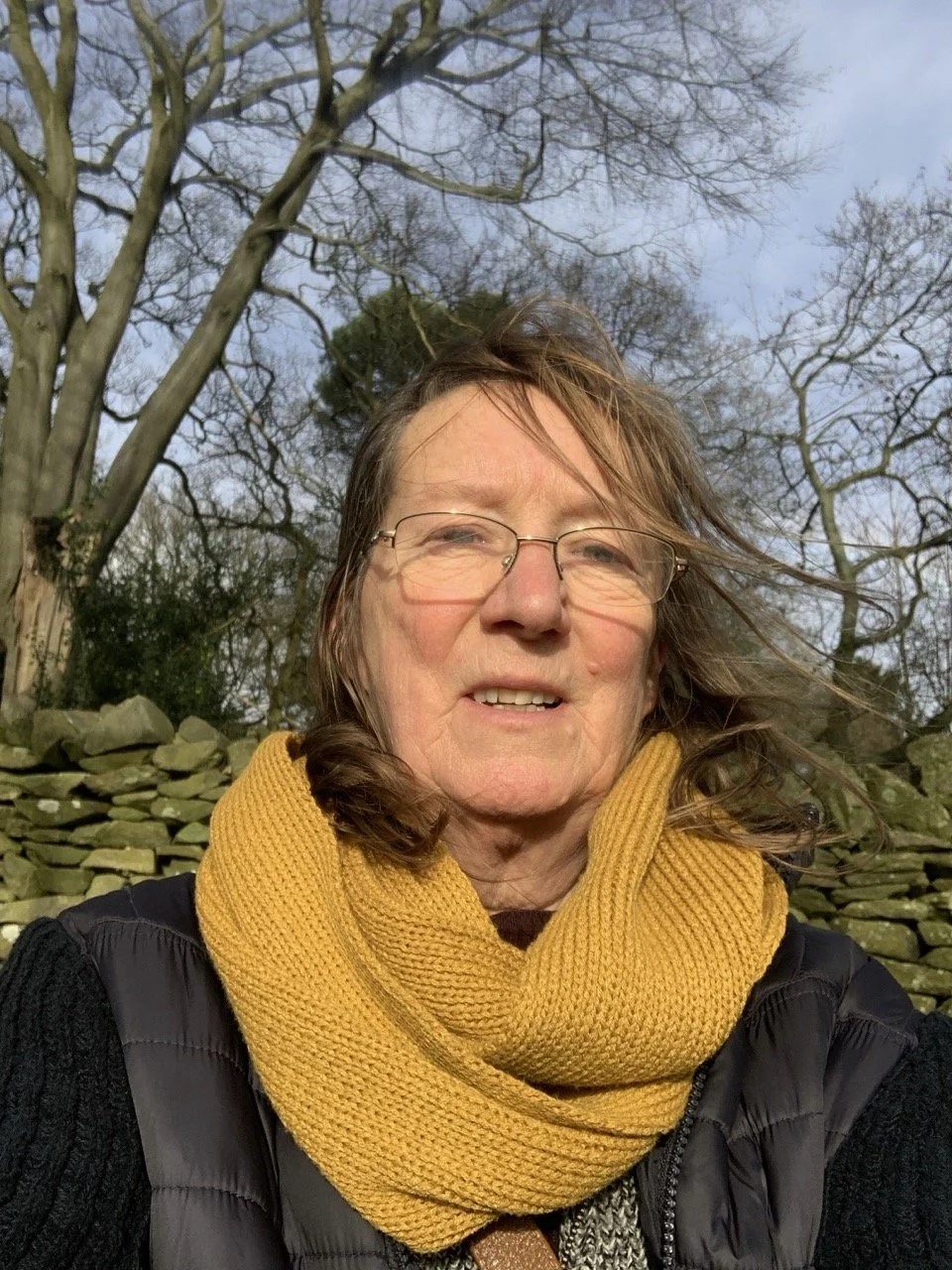
After leaving school, Cooper studied Basketmaking at Bournville College of Art. Her career has evolved through longstanding interests in the natural world, art and social history, using traditional basketmaking techniques to explore these themes. Her work has brought forgotten forms back to life, including wattle and daub beehives, fish traps and model dwelling places, alongside functional baskets.
Cooper is particularly interested in the woven form as sculpture, creating both conceptual works and large-scale pieces. Her practice includes life-sized willow horses, trees for community spaces and human figures, all constructed without armatures.
More recently, she created a film combining music and colour to celebrate the beauty of intertwined willow rods used in the making of a horse sculpture.
Based in the East Midlands, once home to a thriving basketmaking industry - her surroundings provide an important context for her research and practice. Some of this research can be seen through the “Everyday Lives at War” project at the University of Hertfordshire.
She works primarily with gathered and locally sourced materials, with a particular interest in willow varieties traditionally grown in the region for basketmaking. Over many years, Cooper has shared her knowledge and skills through demonstrations, workshops and talks, inspiring others to help keep this distinctive craft alive today.
Yeoman Member of the Worshipful Company of Basketmakers
Freeman of the City of London
Selected Works
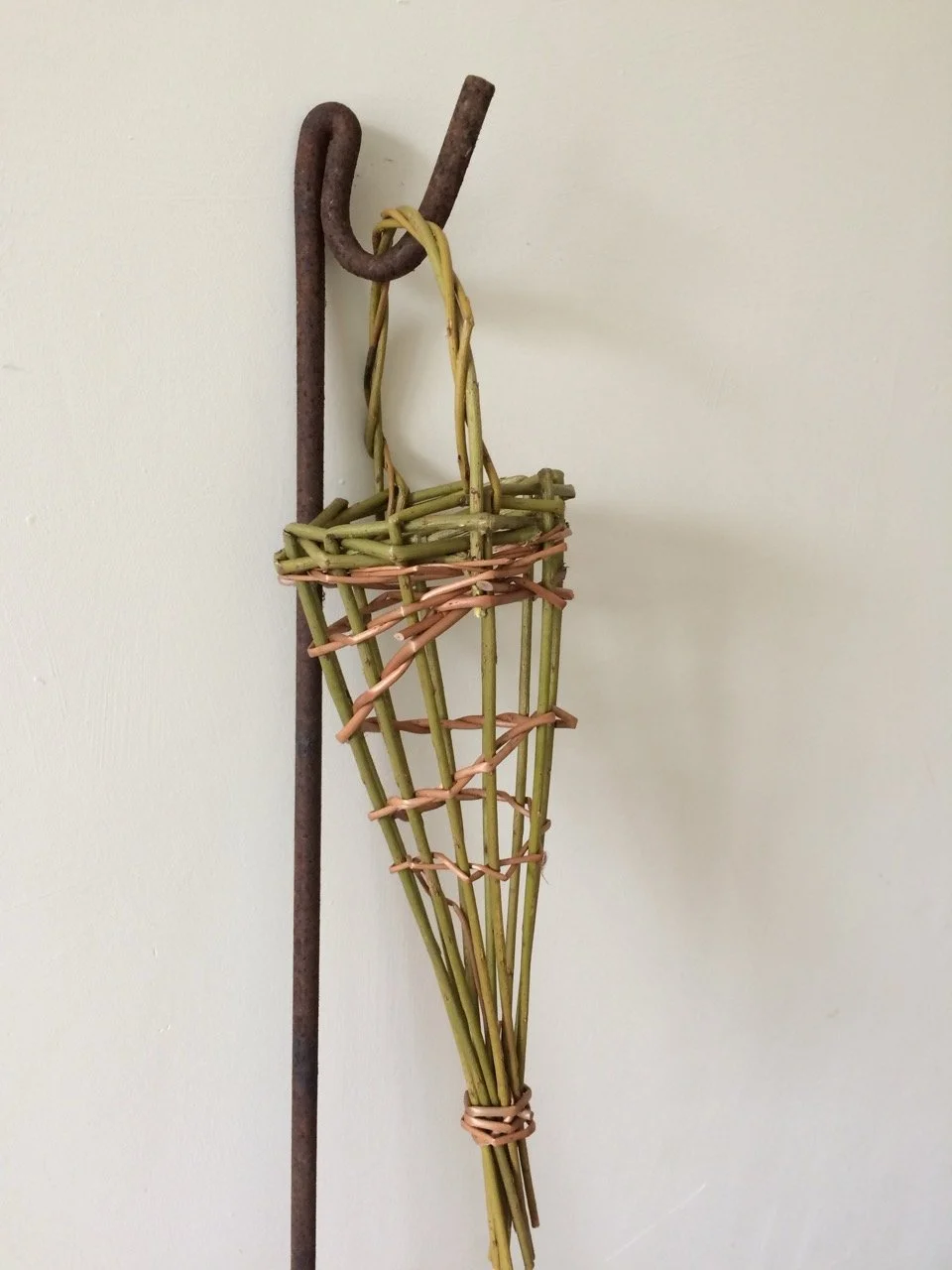
Willow Baskets, 2026
Machine and hand cut willows and rushes
harvested from fields and rivers.
Exhibited in Our Very Fabric
Steeped in the traditions of many basketmakers long-gone, the willow baskets have a contemporary vibe. Sometimes utilitarian but always inherently beautiful by the nature of their material – the gift from nature, reformed for lasting admiration. The allure of the stems stalks and leaves, pliant enough to be woven is something that has stayed with me throughout my life. I share my life with the materials as they need constant attention, whether it be seasonal gathering, or the soaking mellowing preparation, or drying the twigs.
Designs such as duck nests, beehives and birdcages influence the forms and techniques of the pieces. The basket forms made from machine and hand cut willows and rushes harvested from fields and rivers, invoke a deep connection with nature
